
Preparation for the Baby’s Arrival: Shopping List, Nursery, Clothing, and Accessories
preparation-for-the-babys-arrival-shopping-list-nursery-clothing-and-accessories
The arrival of a baby is an exciting time that requires preparation. Having everything ready in advance will reduce stress and allow you to fully enjoy the first days with your newborn. Here’s a comprehensive guide to what you need to buy and organize before the big day.
1. Essential Shopping List
Creating a shopping list is the first step to ensure you don’t forget anything. Prioritize essentials like diapers, bottles, and hygiene products. Remember, you don’t need to buy everything right away, just the basics for the first few weeks.
Diapers are indispensable: purchase packages in various sizes as babies grow quickly. You’ll also need baby wipes and diaper rash cream.
2. Preparing the Baby’s Nursery
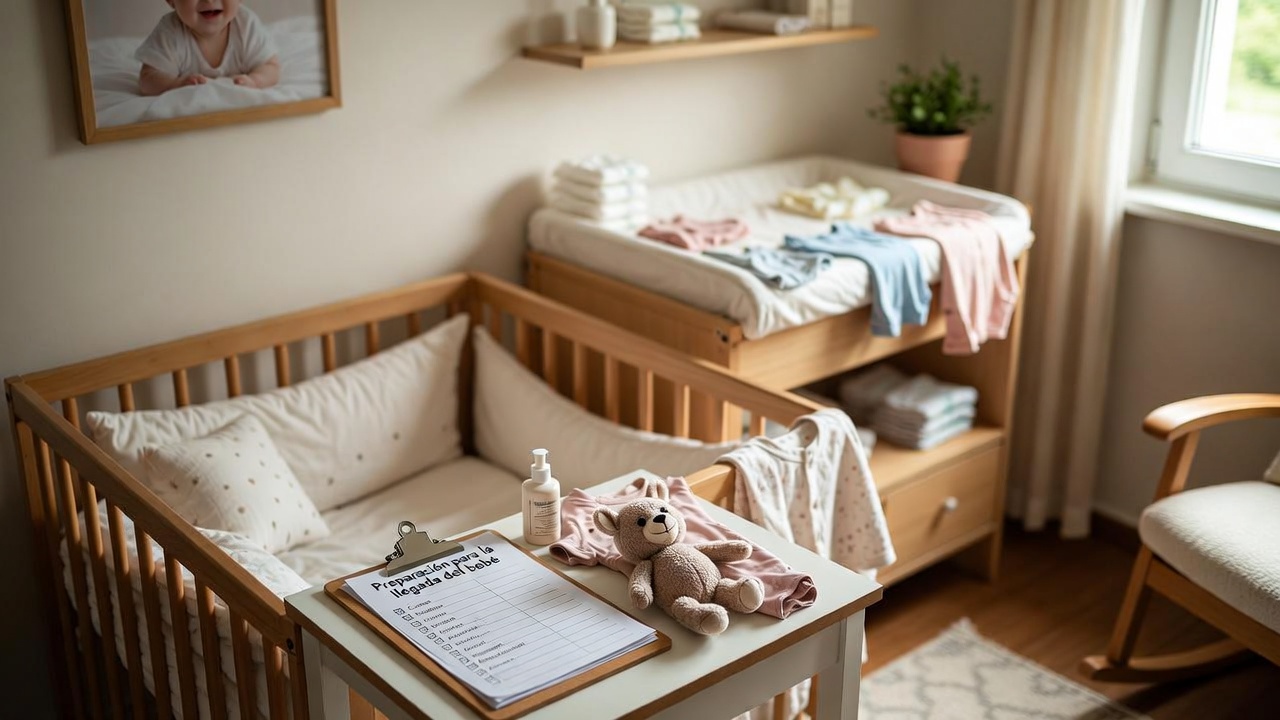
The baby’s nursery should be a comfortable, safe, and tranquil space. Start with a sturdy and safe crib that meets safety standards. Ensure you have a firm mattress and fitted sheets.
Place the crib away from windows or electrical cords to prevent accidents. It’s also important to have a changing table with space for diapers, clothes, and hygiene items within easy reach.
3. Basic Baby Clothes
Babies need comfortable clothing suited to the season. Buy cotton onesies, footed pajamas, hats, and socks. Choose clothes that are easy to put on and take off, preferably with snaps.
It’s recommended to wash all baby clothes with hypoallergenic detergents before use to avoid skin irritations.
4. Essential Hygiene Accessories
Baby hygiene requires specific and safe products. Include a small bathtub, soft towels, natural sponges, and mild baby soap on your list.
Caring for the umbilical cord is also important, so have sterile gauze and 70% alcohol for cleaning, always following your pediatrician’s instructions.
5. Feeding: Bottles and More
If you choose to breastfeed, you won’t need many accessories, but a nursing pillow can be very helpful. If you opt for mixed feeding or formula, get BPA-free glass or plastic bottles, a sterilizer, and newborn-appropriate nipples.
Always have potable water and a container for measuring formula powder if you’re using it. This will help you stay organized during feeding times.
6. Baby Transport Items
A stroller is one of the most important items. Choose one that is lightweight, easy to handle, and includes a safety system like adjustable straps.
If you have a car, don’t forget to buy an approved car seat for newborns. Your baby’s safety during travel is a top priority.
7. Accessories for Baby’s Rest
In addition to the crib, a bassinet or mini crib can be useful during the first few months as they allow you to keep the baby close to your bed.
Soft cotton blankets and swaddles are perfect for keeping the baby comfortable and warm during sleep.
8. Toys and Early Stimulation
In the first weeks, visual and auditory stimulation is essential. Crib mobiles with soft colors and soothing music can help calm your baby.
Rattles and soft toys are also recommended, but make sure they are made of non-toxic materials and don’t have small detachable parts.
9. Organizing the Space
Organize baby items in functional furniture like dressers or shelves, where you can separate clothes, diapers, and other daily-use products.
Use labeled boxes or baskets to keep everything in its place. Organization will save you time when you need to find something quickly.
10. Preparing the Baby’s First Aid Kit
A basic first aid kit is essential, including a thermometer, saline solution, round-tip scissors, and a nasal aspirator. Also, include medications recommended by your pediatrician, such as gas drops or mild pain relievers.
Ensure the kit is stored in a safe, easily accessible place.
11. Hospital Bag Preparation
Prepare a bag with everything you need for the hospital: clothes for you and the baby, diapers, wipes, a blanket, and important documents like your medical chart.
Include a phone charger, snacks, and personal hygiene items to make your stay more comfortable.
12. Washing and Disinfecting Items
Wash and disinfect all items that will come into contact with the baby, such as bottles, pacifiers, and toys. Use safe products and rinse thoroughly to avoid residues.
Steam sterilizers are an excellent option to keep accessories clean and bacteria-free.
13. Mental and Emotional Preparation
Mental and emotional preparation is also crucial. Talk with your partner or family members about how you’ll share tasks and support during the first days.
Dedicate time to rest, read parenting books, and attend prenatal classes if possible.
14. Caring for the Mother’s Comfort
The mother’s comfort is equally important. Ensure you have pillows, comfortable nursing clothes, and postpartum recovery products like wraps and cold compresses.
Good rest and self-care will help you enjoy this new stage to the fullest.
15. Financial Planning
The expenses of a baby can be significant, so planning ahead is essential. Prioritize the essentials and save big-ticket items for when they’re truly necessary.
Consider options like gift registries or second-hand purchases to save money without sacrificing quality.
16. Enjoy the Process
Preparing for the baby’s arrival is a unique experience. Take advantage of every moment to connect with your baby and visualize what your new family life will look like.
Remember, you don’t need to have everything perfect. The most important thing is the love and care you’ll give your little one.
Celebrate your baby's first moments
Design a personalized certificate that will be kept as a lifetime memory. Easy, fast and with unique designs.
Thousands of families already love it