
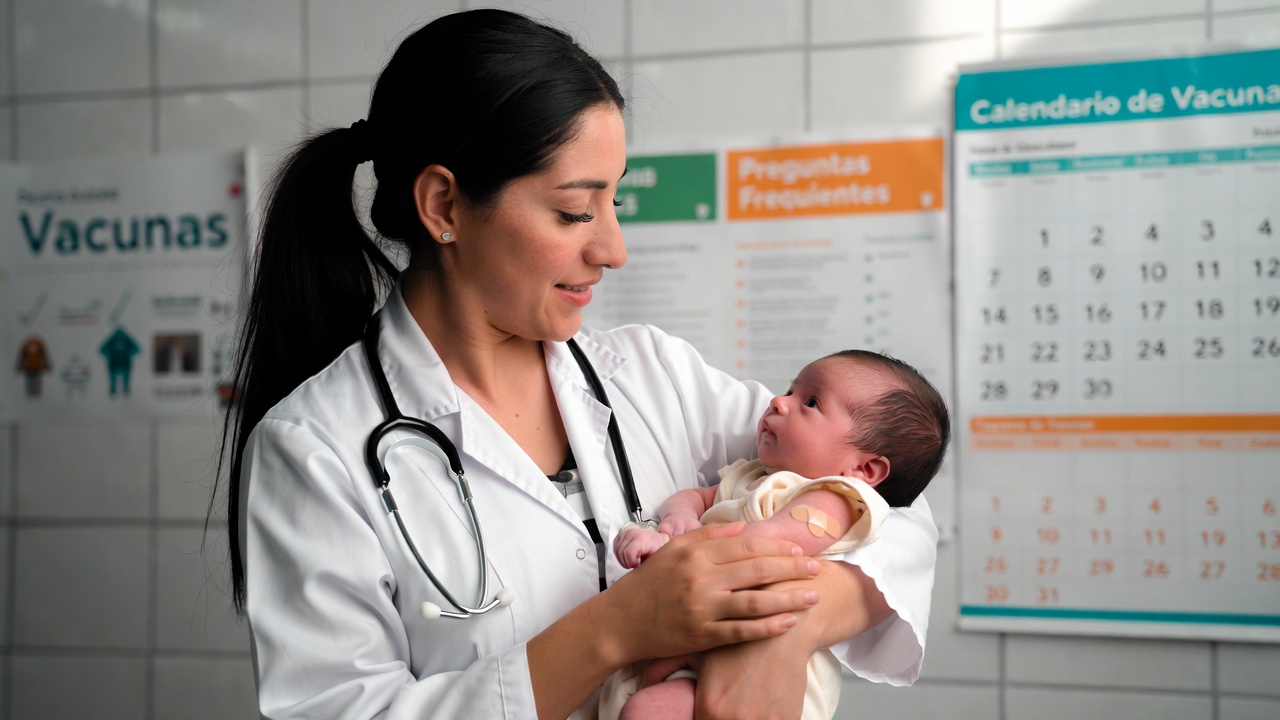
Vaccination: Schedule and Common Questions
Vaccination is a key tool for protecting children's health and preventing serious diseases. From the perspective of a pediatrician, this blog explores the importance of adhering to vaccine schedules, addresses parents' most common questions, and debunks myths surrounding immunizations. An informative approach to ensure every decision is supported by scientific evidence.
The Importance of Vaccination
Vaccines are one of the greatest achievements of modern medicine. They have eradicated diseases like smallpox and drastically reduced the incidence of others, such as measles and polio. Protecting children with recommended vaccines not only safeguards them but also contributes to herd immunity.
When a high percentage of the population is vaccinated, the circulation of pathogens is significantly reduced, protecting those who cannot be vaccinated due to medical reasons.
Childhood Vaccination Schedule
The vaccination schedule varies slightly by country but generally includes the following key stages:
- Newborn: Vaccines against hepatitis B and BCG (tuberculosis) in countries where this disease is prevalent.
- 2, 4, and 6 months: Combined vaccines protecting against diphtheria, tetanus, whooping cough, polio, and Haemophilus influenzae type b (pentavalent), along with pneumococcal and rotavirus vaccines.
- 12 to 15 months: First dose of the MMR vaccine (measles, mumps, and rubella) and a pneumococcal booster. Some schedules also include a varicella vaccine.
- 18 months: Boosters for combined vaccines like pentavalent or DTPa (diphtheria, tetanus, and whooping cough).
- 4 to 6 years: Boosters for MMR, varicella, and polio vaccines, depending on the national schedule.
It's essential to consult your pediatrician to tailor the schedule to your child's needs and local recommendations.
Frequently Asked Questions About Vaccination
- Are vaccines safe? Yes, vaccines are safe. Before approval, they undergo rigorous clinical trials and studies to ensure their efficacy and safety. Severe side effects are extremely rare.
- Why do some children get a fever after vaccination? Fever is a common reaction to the immune system working to build defenses. It is temporary and usually resolves within a day or two.
- Is vaccination necessary if diseases are rare in my country? Yes, because diseases can resurge if vaccination coverage drops. Measles, for example, has experienced outbreaks in regions where vaccinations were discontinued.
Debunking Vaccine Myths
A common myth is that vaccines cause autism. This rumor originated from a study that was debunked and retracted decades ago. There is no scientific evidence linking vaccines to autism.
Another myth is that vaccines contain “dangerous toxins.” While some vaccines contain adjuvants like aluminum, they are present in minimal and safe amounts, much lower than those found in food or water.
Finally, some people believe babies receive “too many vaccines at once.” Vaccine schedules are designed to maximize the immune system's capacity without overloading it.
How to Prepare Your Child for Vaccination
It's normal for children to feel anxious about vaccinations. Explaining in simple terms what will happen and why it's important can help. Avoid phrases like "it won't hurt," as feeling pain might break their trust.
Bring their favorite toy or comfort object to calm them. After the shot, praise them and provide positive reinforcement.
Expected Reactions After Vaccination
After a vaccination, it's common to observe redness or swelling at the injection site. These symptoms are normal and resolve quickly. Mild fever or irritability may also occur.
If symptoms persist for more than 48 hours or are severe, consult your pediatrician. Severe adverse reactions are extremely rare but should be addressed immediately.
The Role of the Pediatrician in Vaccination
The pediatrician is a key ally in ensuring that your child receives the appropriate vaccines at the right time. They are also the best source of information for resolving doubts and clarifying myths.
During check-ups, the pediatrician evaluates the child's overall health and ensures there are no contraindications for vaccines.
Vaccination in Special Situations
For premature babies, children with allergies, or chronic illnesses, the vaccination schedule may need adjustments. It's crucial to follow your pediatrician's recommendations to protect them safely.
If traveling to another country, check whether additional vaccines, like yellow fever, are required.
Vaccination and the COVID-19 Pandemic
The pandemic highlighted the importance of vaccines in protecting communities. Although COVID-19 affects children less severely, the available vaccines have been proven safe and effective for recommended age groups.
Additionally, keeping up with the childhood vaccination schedule is vital to preventing outbreaks of other diseases while managing the pandemic.
The Positive Impact of Vaccination
Thanks to vaccination, millions of lives are saved each year. Immunization programs have proven to be one of the most effective public health strategies for preventing serious diseases.
As parents, ensuring children receive vaccines on time not only protects their health but also contributes to the well-being of the entire community.
Celebrate your baby's first moments
Design a personalized certificate that will be kept as a lifetime memory. Easy, fast and with unique designs.
Thousands of families already love it